Source Cast Iron Standing Deer Figures for Garden, Home, and Office
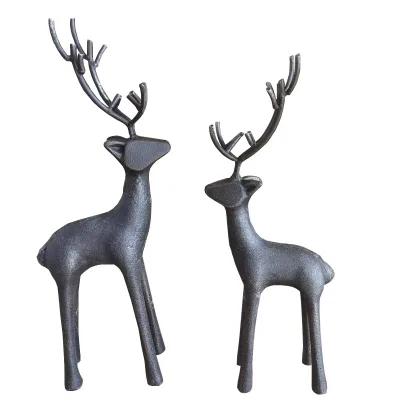
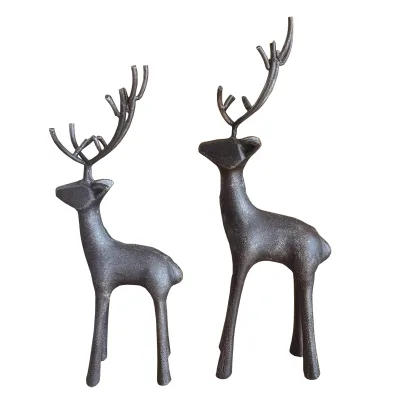
Explore 16 cast iron standing deer figures available for sourcing. Compare rustic designs, antique finishes, and OEM options from Chinese manufacturers. Ideal for garden decoration, home accents, and promotional gifts with customizable packaging and surface treatments; compare the available evidence and request quotations based on your requirements.
Key considerations
Products List



Comprehensive Sourcing Guide
Cast Iron Standing Deer Figures Sourcing Guide
Sourcing cast iron standing deer figures requires a nuanced understanding of both aesthetic intent and industrial manufacturing realities. These ornaments serve as prominent decorative elements for gardens, patios, and interior spaces, blending rustic charm with durable material properties. Buyers must distinguish between purely decorative items and those intended for high-traffic outdoor exposure, as this distinction dictates the necessary surface treatments and structural integrity. The visual appeal of these figures often relies on specific finishes, such as antique silver or brown, which must be carefully specified to match the desired design style.
The procurement process involves navigating a diverse supplier landscape, primarily concentrated in regions like Shaanxi, China, where specialized casting facilities operate. Buyers should recognize that while the core product is consistent, variations in model numbers, sizes, and customization options can significantly impact the final outcome. Understanding the difference between standard stock items and OEM/ODM opportunities is crucial for aligning inventory with brand identity. This guide provides a structured approach to evaluating suppliers, verifying technical specifications, and ensuring commercial terms support long-term procurement goals without compromising on quality or compliance.
Product Scope and Observed Listing Signals
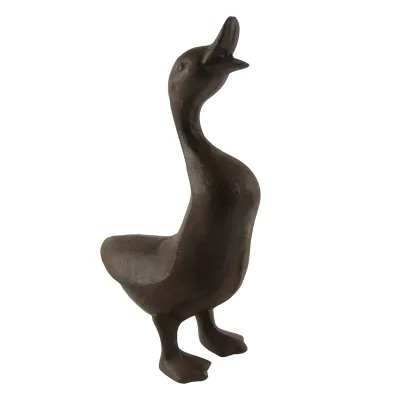
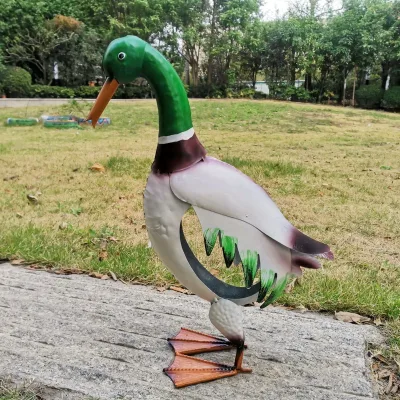
The current market for cast iron deer and duck ornaments reveals a wide range of product attributes that buyers must carefully evaluate. Listings often highlight specific design styles, such as rustic or antique, alongside color options like antique silver or brown, which are achieved through various surface treatments. It is essential to note that while some products are described as powder-coated or spray-painted, others may lack enamel protection, affecting their suitability for outdoor use. Buyers should verify the exact material composition, typically iron or cast iron, and confirm whether the item is hand-made or semi-manual, as this influences both the aesthetic quality and production consistency.
Observed listing signals also indicate significant variability in packaging and shipping methods, ranging from brown boxes to wooden crates or pallets. This variation is critical for logistics planning, as heavier cast iron items require robust packaging to prevent damage during transit. Additionally, the presence of multiple model numbers, such as EDCD276, EDCD071, and various HY or GS series codes, suggests a fragmented product catalog where each SKU may have distinct specifications. Buyers must cross-reference these model numbers with detailed technical sheets to ensure they are ordering the correct size, weight, and finish, avoiding costly errors due to misidentified product attributes.
Technical Specifications to Verify
Verifying technical specifications is paramount when sourcing cast iron ornaments, as minor deviations can lead to significant functional or aesthetic issues. Buyers should request detailed dimensional data for each model, paying close attention to size classifications like "M" or specific height and width measurements. The manufacturing process, whether casting, machining, or hand-finishing, directly impacts the surface texture and structural integrity of the figure. It is crucial to confirm the surface treatment method, such as powder coating or spray paint, and ensure it is suitable for the intended environment, whether indoor home decoration or outdoor garden display.
Material composition and weight are also key technical factors that influence shipping costs and structural stability. Buyers must verify if the iron used meets specific durability standards and if the base design prevents tipping, especially for standing figures. Additionally, the availability of customization options, including logo placement or color adjustments, should be clarified early in the sourcing process. Understanding the sample time, typically ranging from 7 to 10 days, allows for better project planning and quality assurance before committing to large-scale production orders.
Compliance and Safety Documentation
Compliance and safety documentation are often overlooked in the decorative arts sector, yet they are critical for international trade and consumer safety. Buyers should inquire about adherence to relevant environmental and occupational standards, such as ISO 14001 or ISO 45001, which indicate a supplier’s commitment to responsible manufacturing practices. While specific certification status may vary, requesting evidence of these management systems can provide insight into the supplier’s operational reliability and quality control processes. Additionally, verifying that the surface treatments used are non-toxic and safe for outdoor exposure is essential, particularly for products intended for residential gardens or public spaces.
Documentation should also cover the origin of materials and the manufacturing location, with many suppliers listing Shaanxi, China, as the place of origin. Buyers must ensure that all products comply with the import regulations of their target market, including restrictions on heavy metals or hazardous substances in paints and coatings. Requesting test reports for lead content or other chemical safety metrics can help mitigate risks associated with consumer exposure. Clear after-sales service policies and warranty terms should also be documented, providing recourse in case of manufacturing defects or shipping damage.
Cost Drivers and Commercial Terms
Cost drivers for cast iron deer figures include material prices, labor intensity, and packaging requirements, all of which contribute to the final unit cost. The MOQ, often set at 300 pieces for certain models, represents a significant initial investment that buyers must factor into their budgeting. Shipping methods, whether sea or air freight, also play a crucial role in total landed cost, with heavier items incurring higher freight charges. Buyers should negotiate clearly defined pricing tiers based on volume, ensuring that discounts are applied correctly as order quantities increase.
Commercial terms such as payment methods, lead times, and return policies must be explicitly agreed upon in the purchase contract. While sample times are typically 7-10 days, bulk production lead times can vary significantly based on order size and customization complexity. Buyers should also consider the cost of customization, including mold creation for OEM orders, which may involve additional upfront fees. Understanding the full scope of these commercial terms helps in forecasting cash flow and managing inventory levels effectively, ensuring that procurement activities align with sales forecasts and market demand.
Supplier Qualification and Quality Control
Supplier qualification involves a thorough assessment of manufacturing capabilities, quality control systems, and past performance. Buyers should verify the supplier’s experience in producing cast iron ornaments, focusing on their ability to maintain consistency in design and finish across large batches. Requesting references or case studies from previous clients can provide valuable insights into the supplier’s reliability and responsiveness. Additionally, evaluating the supplier’s facility for modern machinery, such as machining centers, and skilled labor for hand-finishing tasks ensures that both efficiency and craftsmanship are maintained.
Quality control protocols should be clearly defined, including inspection points during production and pre-shipment checks. Buyers may consider implementing third-party inspections to verify product quality, packaging integrity, and compliance with agreed specifications. Establishing a clear communication channel for addressing defects or discrepancies is essential for maintaining a productive partnership. Regular audits of the supplier’s quality management system can help identify areas for improvement and ensure that standards are consistently met, reducing the risk of receiving subpar products.
Long-Term Procurement Checks
Long-term procurement checks focus on building a sustainable and resilient supply chain for cast iron decorative items. Buyers should regularly review supplier performance metrics, including on-time delivery rates, product quality consistency, and responsiveness to issues. Establishing a periodic review process allows for the identification of trends and potential risks, enabling proactive management of the supply relationship. Additionally, staying informed about market trends and material cost fluctuations helps in negotiating favorable terms and anticipating future price changes.
Developing a diversified supplier base can mitigate risks associated with single-source dependencies, ensuring continuity of supply in case of disruptions. Buyers should also explore opportunities for continuous improvement, such as collaborating with suppliers on new designs or sustainable packaging solutions. Maintaining open communication and fostering a partnership mindset can lead to better collaboration and innovation. By focusing on long-term relationships and strategic alignment, buyers can secure a reliable source of high-quality cast iron deer figures that meet their evolving business needs.
FAQs
What is the minimum order quantity for cast iron standing deer figures?
The minimum order quantity is 300 pieces for this specific cast iron deer product. This requirement applies to the model EDCD276 which features a rustic design and antique silver color. Buyers should plan their orders accordingly to meet this threshold before proceeding with production.
Can I request custom designs for cast iron standing deer figures?
Yes, customization is available for these cast iron deer ornaments. The supplier accepts OEM and ODM requests to tailor the design or specifications. Buyers can discuss specific requirements for the rustic style or antique brown color options to ensure the final product meets their unique needs.
How long does it take to receive samples of cast iron standing deer figures?
Sample preparation typically requires 7 to 10 days for completion. This timeline applies to the cast iron deer figures before mass production begins. Buyers should account for this lead time when planning their procurement schedule to ensure timely delivery of the final order.
What packaging options are available for cast iron standing deer figures?
Packaging options include brown boxes or wooden crates and pallets depending on the specific model. Some items use wooden crates for protection during transit while others utilize standard brown boxes. The choice depends on the product model and shipping requirements to ensure safe delivery.
Where are the cast iron standing deer figures manufactured?
These cast iron deer figures originate from Shaanxi, China. The manufacturing process involves casting and surface treatments like powder coating or spray paint. Buyers can expect the products to be produced in this specific region with a focus on rustic and antique design styles.
What surface treatments are applied to cast iron standing deer figures?
Surface treatments include powder coating and spray paint to protect the iron material. These processes ensure durability for both indoor home decoration and outdoor garden use. The specific treatment depends on the model and intended usage environment to maintain the antique finish.
Which models are available for cast iron standing deer figures?
Available models include EDCD276 for deer and EDCD071 for duck designs. Other model numbers such as HY-26 and GS-HYX-181 are also listed in the product catalog. Buyers can select from these specific model numbers based on their preferred design and size requirements.